



Proper AC Sizing for Optimal Home Cooling: Comprehensive HVAC Load Calculation and BTU Requirements Guide
At Trinity Heating & Air Conditioning Corporation, we understand that achieving optimal home cooling necessitates precise AC sizing, a key factor often overlooked in HVAC efficiency. This guide highlights the essential connection between proper AC sizing and enhanced home comfort, explaining how these elements work cohesively. We aim to help you understand important methods used in HVAC load calculations, including the Manual J Load calculation, as well as the various factors influencing BTU requirements.
Without the correct AC sizing, homeowners may face discomfort, unnecessarily high energy costs, and shortened equipment lifespan. Our article offers in-depth guidance on BTU requirement calculations, the importance of accurate sizing, and highlights common mistakes to avoid when selecting an AC unit. We also discuss the impact of room size, ceiling height, insulation quality, and other relevant factors on HVAC performance.
HVAC Load Calculation Methods
To ensure comfort in your home, understanding HVAC load calculations is fundamental. We present various calculation methodologies that support both homeowners and professionals in making knowledgeable decisions when selecting air conditioning units.
Manual J Load Calculation
The Manual J Load Calculation provides a standardized approach to determining the proper size of air conditioning systems by evaluating several important variables, such as room measurements, insulation effectiveness, and occupancy levels. Following this method step by step allows for an accurate estimation of cooling needs, which ensures your system performs optimally.
The method takes into consideration factors like the home’s orientation, window quantity, and the local Klima in Weaverville, CA, all of which are vital for precise load assessments. Performing the Manual J calculation can result in considerable energy savings and improved overall comfort within your living environment.
Room Size and BTU Requirements
Accurately measuring the relationship between room size and BTU requirements is essential during HVAC load calculations. Measuring room dimensions carefully provides a clear picture of the energy needed to cool the space efficiently.
Here are important points to consider:
- Measurement Accuracy: You should measure the length and width of each room to determine the square footage precisely, as this is foundational to correct sizing.
- BTU Guidelines: Generally, approximately 20 BTUs per square foot of living space are needed; however, this can vary depending on your home’s insulation and the specific climate conditions in Weaverville, CA.
- Room Layout Impact: Factors such as the number and size of windows and doors significantly affect heat gain and loss, which must be accounted for to determine the proper cooling load.
By understanding these parameters, you can better match your AC unit selection to your home’s actual cooling needs, resulting in enhanced performance and comfort.
Significance of Accurate AC Sizing
Choosing the right AC size has many advantages. Primarily, it maximizes energy efficiency, leading to noticeable reductions in utility expenses while lessening environmental impact.
Precise sizing also ensures consistent indoor comfort by maintaining stable temperatures and humidity levels. Oversized or undersized units can cause discomfort and ineffective cooling. Moreover, properly sized systems experience less strain, prolong their operational lifespan, and decrease the frequency of repairs or replacements.
We encourage homeowners in Weaverville, CA, to partner with skilled experts, like those at Trinity Heating & Air Conditioning Corporation, who can deliver precise sizing assessments and tailored recommendations.
What Is HVAC Load Calculation and Why Is It Essential for AC Sizing?
HVAC load calculation involves analyzing your building’s cooling demands to accurately determine the necessary air conditioning system size. This critical process prevents issues associated with improper sizing, such as inadequate cooling, elevated energy consumption, and increased operational costs.
Understanding these calculations guarantees you select an AC unit that is efficiently matched to your home’s specific requirements. This match promotes superior system performance and occupant comfort, especially during extreme conditions prevalent in Weaverville, CA.
How Does Cooling Load Determine the Right Size Air Conditioner?
Cooling load is the total heat energy that must be extracted from your home to maintain your preferred indoor environment. Measuring this load accurately involves considering the number of occupants, appliance usage, and heat gain from windows and walls.
By calculating cooling load precisely, your air conditioner can function efficiently to provide the desired comfort without excessive energy use. Comprehensive attention to these details leads to improved home climate control and energy management.
Which Factors Affect Cooling Load Estimates for Home Comfort?
Several key factors influence cooling load in residential environments, including the following:
- Occupancy: The more people use a space regularly, the more heat they generate, elevating cooling requirements.
- Appliances: Household appliances emit heat, adding to indoor temperature loads that must be offset.
- Insulation Quality: Effective insulation reduces heat transfer, helping to maintain cool air inside and minimize cooling demand.
- Window Orientation and Area: The size, placement, and quality of windows influence heat gain, impacting total cooling load.
Taking these components into account is crucial for attaining optimal cooling efficiency and comfort in your Weaverville, CA home.
How to Calculate BTU Requirements for AC Units Accurately?

BTU requirement estimations depend on the specific characteristics of a room, including size, insulation quality, and occupancy. Below is a helpful reference table that associates room size with BTU needs, factoring in insulation:
This table demonstrates how distinct room sizes correspond to varied BTU requirements influenced by insulation conditions. Customizing BTU calculations to your home’s unique factors ensures maximum comfort and cost-effectiveness.
What Are Common Methods for Cooling Load Estimation in Residential Settings?
Several reliable methods assist in estimating residential cooling loads accurately, such as:
- Manual J Calculation: This detailed method breaks down cooling loads room-by-room, providing a fine-tuned assessment necessary for proper AC sizing.
- Simplified Rule of Thumb: Often used as preliminary guidance, it relates BTU requirements to square footage but doesn’t consider all variable factors.
- Computer Software: Advanced programs analyze numerous home’s aspects by applying complex algorithms for precise cooling load predictions.
Among these, the Manual J remains the industry benchmark due to its comprehensive evaluation of all relevant factors.
How Do Square Footage and Insulation Quality Impact BTU Calculations?
The size of your home significantly influences BTU calculations — larger spaces naturally require higher BTU capacities to maintain comfort. Additionally, insulation quality critically affects heat transfer rates.
Homes with excellent insulation can maintain cooler indoor temperatures with lower BTU output, while poorly insulated residences need more substantial capacity to offset heat infiltration. We recommend considering insulation improvements alongside AC sizing for optimum energy efficiency in Weaverville, CA.
Why Use the Manual J Load Calculation Guide for Precise AC Unit Capacity?
The Manual J Load Calculation guide offers a precise and methodical approach to determining the appropriate capacity for your AC unit. It involves examining multiple factors directly impacting energy consumption and indoor climate control.
Using this guide helps us provide customized solutions that fit your home’s unique environmental conditions. It enables homeowners to avoid common sizing errors that lead to discomfort and higher energy bills, ensuring you receive the best system for your needs.
What Is the Step-by-Step Manual J Process for Load Estimation?
Our process for Manual J load estimation includes these key steps:
- Gather Essential Data: We start by collecting detailed information about your home’s dimensions, window locations, and occupancy patterns.
- Conduct a Room-by-Room Analysis: We calculate BTU needs for each room independently to avoid inaccuracies that come from whole-house surface area estimations.
- Utilize Software: Our technicians employ industry-standard HVAC design software to simulate and optimize cooling load assessments based on gathered data.
- Review and Adjust: We recommend reviewing your load calculations periodically, especially when you renovate or replace windows, to maintain optimal HVAC system performance.
By following these steps thoroughly, we ensure your home’s cooling needs are accurately assessed, promoting comfort and efficiency.
How Does Manual J Incorporate Climate Zone and Home Features?
The Manual J methodology incorporates local Klima data specific to Weaverville, CA, by evaluating factors like prevalent geographical conditions, humidity, and temperature variations throughout the seasons.
Additionally, it considers building materials, window types, and orientations. These inputs allow us to tailor the AC sizing process precisely to your home’s context, optimizing both comfort and energy use efficiency.
What Are the Consequences of Incorrect AC Unit Sizing?
Choosing an AC unit that is not sized correctly can lead to several issues, including:
- Increased Energy Consumption: Both oversized and undersized systems tend to operate inefficiently, often consuming more power than necessary.
- Reduced Comfort: Improperly sized units may struggle to maintain steady temperatures, causing uneven cooling and dissatisfaction.
- Shortened Equipment Lifespan: Frequent cycling on oversized systems and continuous operation of undersized units cause accelerated wear and can lead to premature failures.
Understanding these impacts stresses the importance of precise load assessments and accurate unit selection.
What Happens If the AC Is Too Large or Too Small?
When an AC unit is too large, it tends to cycle frequently, which leads to poor humidity control and discomfort. On the other hand, an undersized unit may run constantly without achieving the desired indoor temperature, leading to excessive energy use and insufficient cooling.
Both cases compromise your home’s comfort and inflate energy expenses. Proper sizing is essential for avoiding these drawbacks and securing a reliable cooling environment.
How Does Improper Sizing Affect Energy Efficiency and Long-Term Value?
Incorrect AC sizing reduces energy efficiency by forcing the unit to work inefficiently, which increases utility costs over time. Additionally, improper sizing leads to more frequent repairs and maintenance, undermining the equipment’s value and longevity.
Proper sizing protects your investment by ensuring peak system performance, extending equipment life, and reducing overall operational costs.
How Does Home Insulation Influence Cooling Load and AC Sizing Decisions?
The quality of your home’s insulation plays a critical role in determining cooling load. Spaces with well-maintained insulation better retain cool air, lowering the BTU capacity needed for effective cooling.
Choosing superior insulation materials also allows for selecting accurately sized AC units, leading to substantial savings in operational costs and improved comfort levels in Weaverville, CA.
Which Insulation Materials and Qualities Affect Heat Transfer Most?
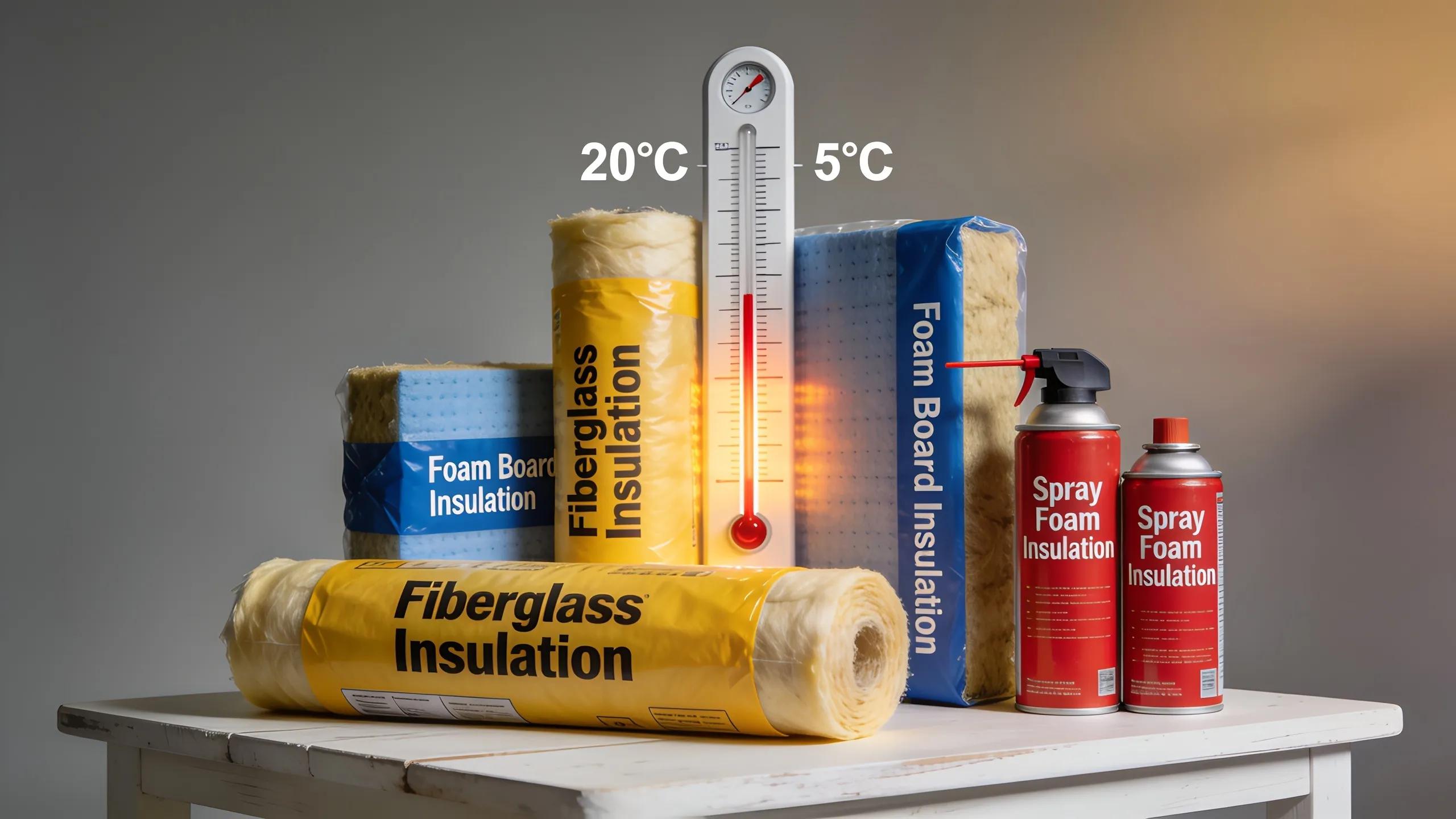
Various insulation materials differ in how effectively they slow heat transfer. Common materials with strong performance include:
- Fiberglass: This affordable material provides solid thermal resistance, making it a popular choice for many homes.
- Foam Board: Offering high insulation value with thin profiles, foam board is ideal for limited space areas.
- Spray Foam: Besides excellent insulation properties, it acts as an air barrier, significantly reducing energy loss and improving efficiency.
Selecting the right material based on your home’s specific needs greatly influences cooling load and overall HVAC efficiency.
How Can Improving Insulation Reduce Required BTU Capacity?
Upgrading insulation within your home diminishes the necessary BTU capacity by minimizing heat gain through walls, ceilings, and windows. With improved insulation, your AC system experiences less workload, operating more efficiently.
This not only reduces energy consumption but also extends the lifespan of your equipment, offering economic advantages over the long term.
What Energy Efficiency Practices Align With Proper AC Sizing?
To maximize energy efficiency alongside proper AC sizing, consider implementing these steps:
- Regular Maintenance: Keeping your HVAC system well-maintained ensures it functions at peak performance, preventing energy waste.
- Smart Thermostats: Utilizing technology to schedule and adjust temperature settings helps optimize energy use according to your daily routines.
- Energy-Efficient Units: Selecting AC units with high Seasonal Energy Efficiency Ratios (SEER) further enhances overall energy savings.
Adopting these practices complements precise AC sizing efforts, resulting in a highly efficient and comfortable home cooling system.
Which AC Unit Features Enhance Efficiency When Matched to Accurate Load?
Several features can specifically boost the efficiency of appropriately sized AC units, such as:
- Variable Speed Compressors: These adjust cooling output dynamically based on demand, improving comfort and reducing energy use.
- Smart Controls: Advanced control systems allow real-time monitoring and adjustment, fine-tuning operation to current conditions.
- Energy Star Ratings: Units bearing this certification meet stringent efficiency standards, assuring better energy performance.
Incorporating these features can substantially lower operational costs and increase system reliability.
How Can Smart HVAC Controls Complement Optimized AC Capacity?
Smart HVAC controls provide detailed insights and adaptable management, enabling your system to operate efficiently under varying conditions. These technologies adjust performance dynamically and optimize settings based on actual usage patterns and environmental inputs.
By complementing a properly sized system with smart controls, you can achieve superior energy savings and indoor comfort, tailored to your household’s lifestyle in Weaverville, CA.
What Are Common AC Sizing Mistakes to Avoid for Optimal Home Cooling?
Many homeowners commit errors when sizing AC units, including:
- Ignoring the Manual J Calculation: Skipping this comprehensive analysis often leads to incorrect unit selection and poor system performance.
- Relying Solely on Generic BTU Charts: Standardized charts lack the nuance needed to factor in unique home features, insulation, and localized climate variations.
- Neglecting Insulation Quality: Overlooking the role of insulation can cause significant inefficiencies and discomfort over time.
By avoiding these mistakes, we help you secure a cooling solution that truly meets your home’s needs.
How to Recognize and Prevent Oversizing or Undersizing Errors?
You can detect sizing errors by observing system performance indicators, analyzing energy bills, and gauging your home’s comfort. Oversized units often cause rapid cycling and uneven humidity levels, while undersized systems may run continuously without achieving target temperatures.
To prevent these issues, rely on accurate load calculations, evaluate your home’s insulation and features carefully, and engage qualified HVAC professionals who provide expert advice and recommendations.
What Steps Ensure Reliable AC Capacity Selection and Installation?
We follow these steps to guarantee reliable AC capacity selection and successful installation:
- Conduct a Comprehensive Load Calculation: Using the Manual J method, we perform detailed assessments of your home’s cooling needs.
- Evaluate Existing Home Features: We examine insulation quality, window conditions, and analyze historical energy data to refine our recommendations.
- Engage Professionals: Our expert team provides tailored insights and ensures your system is sized and installed correctly, maximizing performance and longevity.
Following this process allows us to create HVAC solutions perfectly suited to your residence in Weaverville, CA.
Frequently Asked Questions to Clarify Proper AC Sizing and Cooling Load
We often receive questions such as:
- How often should my AC size be recalculated? We recommend reviewing your AC sizing whenever you undertake significant home changes or every few years to maintain optimal performance.
- What impact does the local climate have on AC performance? The climate zone in Weaverville, CA affects cooling requirements, as hotter or more humid areas demand different system capacities.
- Are there cost-saving benefits to selecting a larger AC unit? Generally, oversized units lead to higher costs due to inefficiency and should be avoided in favor of properly sized equipment.
Our team clarifies these topics to help you make confident decisions regarding your HVAC needs.
How Do I Perform a Basic AC Sizing Calculation at Home?
You can perform a preliminary AC sizing estimate by following these steps:
- Measure the square footage of each room precisely to establish your home’s size.
- Multiply each room’s square footage by an average BTU-per-square-foot figure (approximately 20 BTUs); adjust this number based on insulation and occupancy factors specific to your home.
- Use these results as a starting point before seeking professional advice for a comprehensive sizing evaluation.
This approach provides a solid foundation to understand your cooling requirements and begin conversations with HVAC experts.
Does Local Climate Zone Significantly Influence AC Unit Capacity?
Yes, the local climate of Weaverville, CA markedly influences required cooling capacities. Warmer, more humid conditions demand higher BTU outputs to maintain comfort indoors, while moderate climates require less intensive cooling.
By thoroughly assessing your region’s climate, we tailor HVAC solutions that efficiently balance energy use with consistent comfort.
Through careful methodology and expertise in HVAC load calculations, we help homeowners in Weaverville, CA enhance their air conditioning system’s performance. Proper sizing is essential to achieving excellent comfort, reducing avoidable costs, and maintaining energy efficiency throughout the cooling season.
Get Expert AC Sizing and Installation for Your Weaverville, CA Home Today
At Trinity Heating & Air Conditioning Corporation, we’re committed to delivering customized and precise HVAC solutions tailored to your home’s unique needs. Contact us to schedule your professional AC load calculation and enjoy a comfortable, energy-efficient living environment all year round.